
Why Travel Can Be Transformational After Suicide Loss
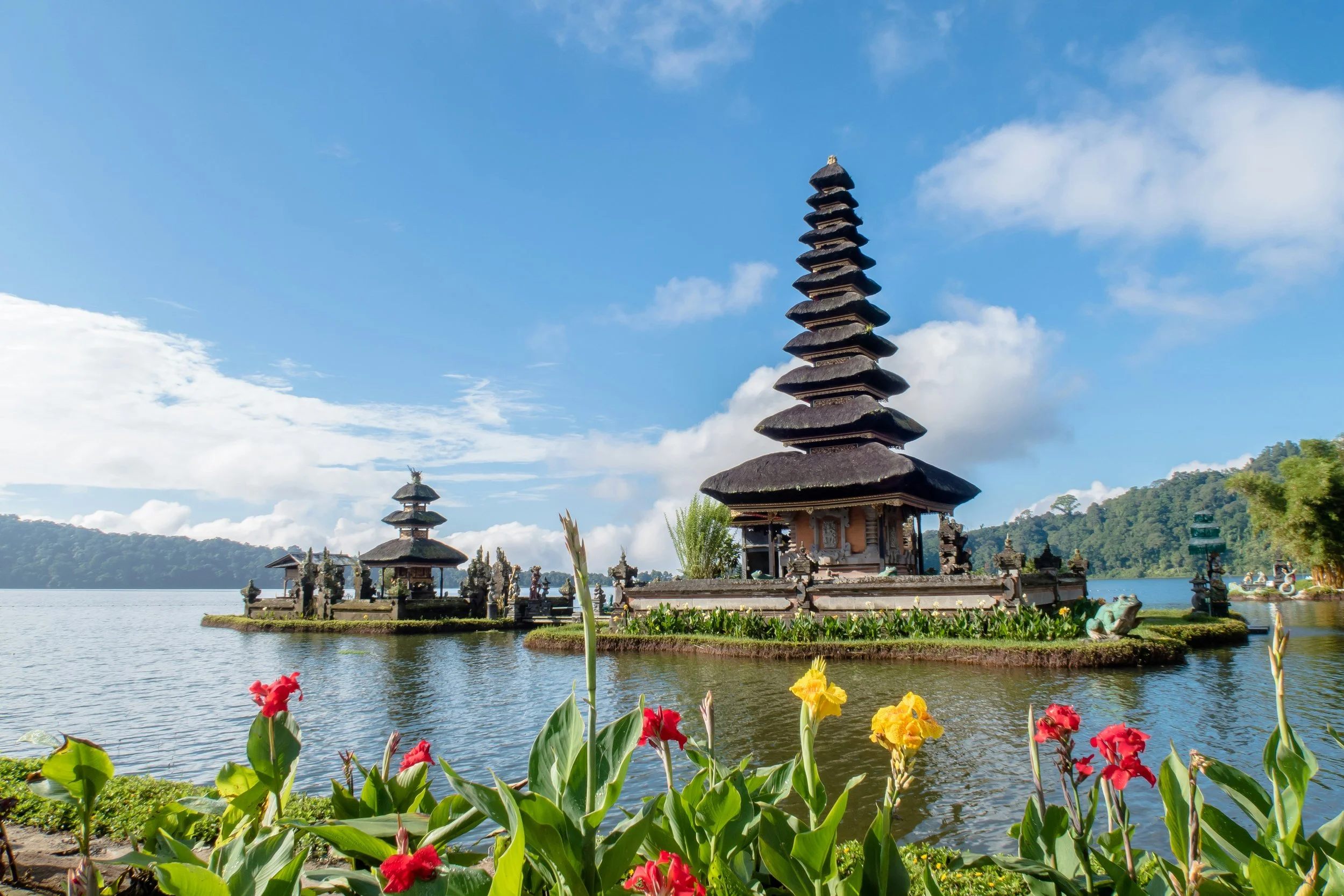
After losing multiple loved ones to suicide, I discovered something unexpected on my healing journey: travel became one of my greatest teachers.
Travel didn't take away my grief. It didn't erase the pain of losing my uncle, nephew, brother, and other loved ones. But it did give me something I desperately needed—a chance to step outside the spaces where my grief felt heaviest and reconnect with life in a new way.
Over the years, I've come to believe that travel can be profoundly healing for suicide loss survivors.
Why Suicide Loss Survivors Need Space to Heal
After a suicide loss, everyday life can become filled with reminders of what has changed. Certain rooms, routines, holidays, restaurants, songs, and even the drive to work can trigger waves of grief.
While these reminders are unavoidable, they can also be emotionally exhausting.
Travel offers a temporary pause—not from your loved one and not from your grief—but from the constant triggers and responsibilities that often leave little room for healing. A change of scenery can create the emotional space needed to breathe, reflect, and simply be.
The Healing Benefits of Travel During Grief
It Interrupts Painful Routines
When someone we love dies by suicide, the world continues moving while our hearts struggle to catch up.
Travel allows us to step outside the routines that constantly reinforce our loved one's absence. Even a few days away can provide a much-needed shift in perspective and a reminder that life still exists beyond our pain.
It Creates Emotional Breathing Room
Many survivors spend months—or even years—taking care of everyone else while neglecting their own healing.
A healing journey creates an opportunity to focus on yourself.
Without the pressure of daily responsibilities, emotions that have been pushed aside often have the chance to surface gently and naturally. Sometimes what we need most is simply the space to feel.
It Encourages Rest and Self-Care
Grief is exhausting.
Many survivors struggle with sleep disturbances, anxiety, decision fatigue, brain fog, and nervous system dysregulation after a suicide loss.
Travel, especially in peaceful natural settings, can encourage simple but powerful forms of self-care:
• Sleeping more deeply
• Taking long walks
• Watching a sunrise
• Sitting quietly by the ocean
• Enjoying nourishing meals
• Allowing your nervous system to settle
Sometimes healing begins with simply resting.
Nature Has a Unique Ability to Support Healing
Whether it's the ocean, mountains, forests, or wide-open landscapes, nature invites us to slow down.
Many survivors describe feeling closest to peace when surrounded by natural beauty. The rhythmic sound of ocean waves, the stillness of a forest trail, or the vastness of a mountain view can remind us that while our pain is real, we are part of something larger.
Nature creates space for reflection, acceptance, and renewal.
Travel Helps Us Reconnect with Ourselves
One of the hardest parts of suicide loss is figuring out who we are after the loss.
The person we were before may feel forever changed.
Travel often creates opportunities to rediscover forgotten parts of ourselves—our curiosity, courage, creativity, joy, and sense of adventure.
Many survivors tell me that while they may not have felt "happy," they felt alive again for the first time in a very long time.
That matters.
Travel Is Not About Escaping Grief
I want to be clear:
Travel should not be used to avoid grief.
Healing happens when we allow ourselves to feel our emotions, honor our loved ones, and gradually learn how to carry our loss.
The goal isn't to run from grief.
The goal is to create a supportive environment where healing can unfold.
Some survivors find healing through quiet reflection by the ocean. Others find comfort in meaningful conversations with fellow survivors. Still others find peace through cultural experiences, nature, movement, creativity, or spiritual practices.
There is no right way to heal.
Why I Created Healing Retreats for Suicide Loss Survivors
The transformative impact of travel on my own healing journey is one of the reasons I began creating retreats specifically for suicide loss survivors.
After losing my uncle to suicide in 1992, my nephew in 2022, my brother in 2024, and other loved ones along the way, I understand how isolating this journey can feel.
I wanted to create the kind of experience I wish had existed when I was grieving.
A place where survivors could step away from daily demands.
A place where they could be surrounded by people who truly understand.
A place where healing, connection, remembrance, and hope could coexist.
Whether it's watching the sunrise over the Outer Banks, participating in a healing ceremony in Bali, or simply sharing stories with others who understand, these experiences remind us of something important:
Life can still hold beauty after profound loss.
And healing is possible.
Not because we forget.
But because we learn how to move forward while carrying our loved ones with us.
💙 If you are a suicide loss survivor considering a healing retreat, know that you do not have to walk this journey alone.
Sometimes a change in place can create a change in perspective.
And sometimes that shift in perspective can become the beginning of something truly transformative.
Visit https://healingaftersuicide.net/healing-retreats for our upcoming retreats!
Hope you decide to join us!
About the Author
Jayne Madigan is the Founder of Healing After Suicide, Author, Speaker, Retreat Facilitator, and Creator of the H.O.P.E.S. Method™. Having navigated the journey of suicide loss for more than 34 years after experiencing multiple suicide losses in her own life, Jayne has dedicated her work to helping suicide loss survivors move from surviving to healing.
Through her writing, workshops, retreats, and support programs, she helps survivors honor their grief, reconnect with hope, and discover that healing is possible—even after profound loss.
Ready to Take the Next Step in Your Healing?
If you are navigating the loss of a loved one to suicide, you don't have to walk this journey alone.
Explore upcoming events, retreats, healing resources, and opportunities for connection and growth at HealingAfterSuicide.net.
Healing is possible. One day at a time.